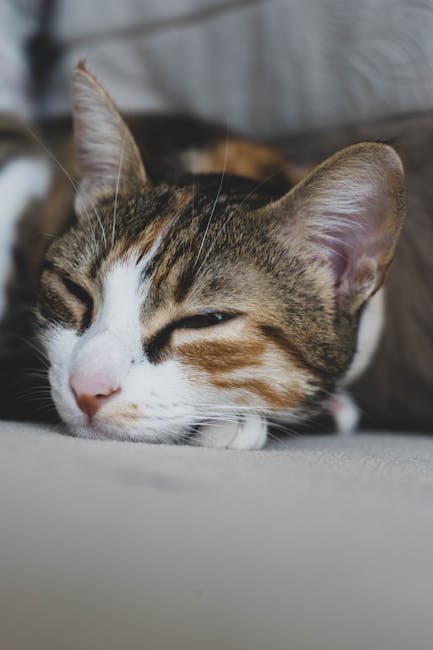
Unpacking the Meaning of Cats Sleeping Face Down
Contents
Have you ever caught your cat sleeping face down and wondered why they do it? You’re not alone. This peculiar feline behavior has intrigued cat owners for years. In this blog post, we’ll delve into the reasons behind this curious habit, exploring both scientific explanations and popular theories. We’ll also provide actionable tips for ensuring your cat’s comfort and well-being.
Understanding Cat Sleep Patterns
Cats are known for their unique sleeping habits. On average, cats sleep between 12 to 16 hours a day, with kittens and older cats often sleeping even longer. Unlike humans, cats are crepuscular, meaning they are most active during dawn and dusk. This sleep pattern is rooted in their wild ancestors’ hunting habits.
During their sleep, cats cycle through different stages, including light sleep and deep sleep (REM sleep). It’s during REM sleep that cats are most likely to engage in deep, restorative rest, which is essential for their overall health.
The Anatomy of a Cat’s Sleep
When cats sleep, they adopt various positions, each serving a different purpose. Common positions include the loaf position, the side sprawl, and, of course, sleeping face down. But what does it mean when a cat sleeps face down? Let’s explore some possible explanations.
Theories Behind Cats Sleeping Face Down
1. Comfort and Warmth
One of the most straightforward explanations for this behavior is comfort. Cats may sleep face down to find a comfortable position that provides warmth. By burying their face, they can conserve heat, which is especially important for short-haired or hairless breeds.
2. Security and Protection
Cats are instinctively cautious creatures. Sleeping face down might be a way for them to feel more secure and protected. In the wild, cats would hide their faces to shield themselves from potential predators. This behavior can carry over to domesticated cats, providing them with a sense of safety.
3. Sensory Overload
Cats have highly sensitive senses, including their whiskers and hearing. Sleeping face down might help them block out excess stimuli, allowing them to rest more peacefully. By covering their face, they can create a barrier against light, noise, and other distractions.
Scientific Insights Into Feline Behavior
To better understand this behavior, let’s turn to scientific research on feline sleep and behavior. Studies have shown that cats have a unique sleep architecture, which includes periods of both light and deep sleep. During light sleep, cats remain alert and ready to react to any potential threats. This might explain why they adopt protective positions like sleeping face down.
The Role of REM Sleep
During REM sleep, cats experience muscle atonia, a temporary paralysis that prevents them from acting out their dreams. This stage is crucial for memory consolidation and overall health. Sleeping face down might help cats achieve a deeper level of REM sleep by minimizing external stimuli.
Behavioral Studies
Behavioral studies have also shed light on the importance of sleep in a cat’s life. According to the American Veterinary Medical Association, sleep is essential for a cat’s physical and mental well-being. Ensuring that your cat has a comfortable and secure sleep environment can contribute to their overall health.
Actionable Tips for Cat Owners
1. Create a Comfortable Sleep Environment
To help your cat achieve restful sleep, it’s important to create a comfortable sleep environment. Provide a cozy bed in a quiet, low-traffic area of your home. Consider using a heated bed or blanket, especially for short-haired or older cats who may need extra warmth.
2. Minimize Distractions
Reducing noise and light can help your cat sleep more peacefully. Use blackout curtains to block out sunlight and consider white noise machines or calming music to mask external sounds.
3. Monitor Their Health
If you notice any changes in your cat’s sleep patterns or behavior, consult your veterinarian. Changes in sleep habits can sometimes indicate underlying health issues, such as pain or discomfort.
4. Enrich Their Environment
Providing mental and physical stimulation during their waking hours can improve your cat’s overall sleep quality. Interactive toys, scratching posts, and climbing structures can keep your cat engaged and happy.
Conclusion
In conclusion, cats sleeping face down is a fascinating behavior with multiple potential explanations. Whether it’s for comfort, security, or sensory management, this sleep position is a natural part of their unique sleep patterns. By understanding the reasons behind this behavior and taking steps to create a comfortable sleep environment, you can help ensure your cat gets the rest they need to stay healthy and happy.
Have you observed your cat sleeping face down? Share your experiences and tips in the comments below!