What Does It Mean When a Cat Sleeps on Its Back?
Contents
As any cat owner knows, our feline friends have a variety of sleeping positions, each one cuter than the last. One of the most intriguing and adorable positions is when a cat sleeps on its back. But what does it mean when a cat sleeps on its back? Is it simply a comfortable way to nap, or is there more to this behavior? In this blog post, we will dive deep into the reasons behind this quirky habit, backed by research and expert opinions.
Understanding Feline Sleeping Behaviors
Cats are known for their unique and often mysterious behavior, and their sleeping habits are no exception. According to the ASPCA, cats sleep between 13 and 16 hours a day. This is due to their evolutionary history as predators who needed to conserve energy for hunting. However, the position in which a cat sleeps can tell us a lot about their state of mind and health.
Common Sleeping Positions in Cats
Cats have a variety of sleeping positions, each with its own meaning. Here are some of the most common ones:
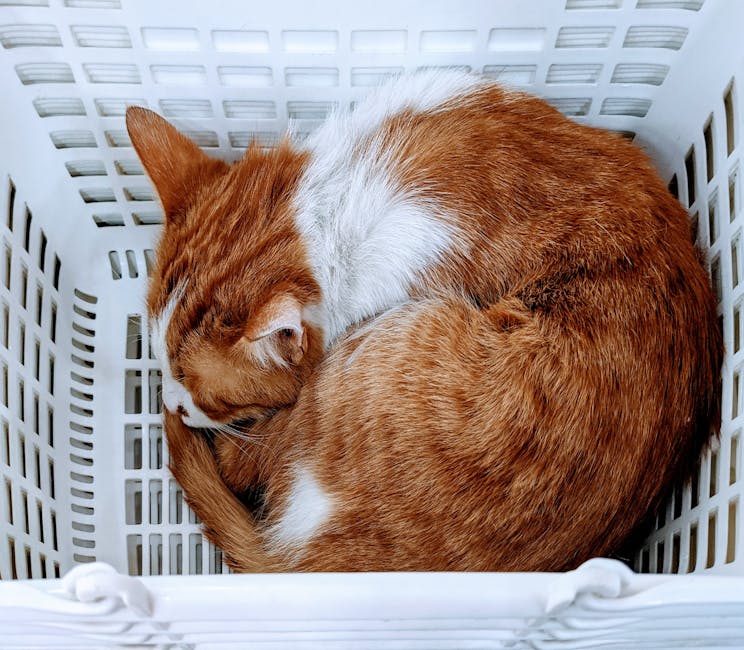
- Curling Up: This is the most common position and indicates that the cat is trying to conserve heat and protect vital organs.
- Loaf Position: In this position, a cat tucks its paws under its body, resembling a loaf of bread. This indicates relaxation but also readiness to spring into action.
- Side Sleeping: When a cat sleeps on its side, it usually means they are comfortable and feel safe in their environment.
- Back Sleeping: Sleeping on their back with their belly exposed is less common and often a sign of trust and comfort.
Why Do Cats Sleep on Their Backs?
Now that we’ve covered some basics, let’s focus on the main question: why do cats sleep on their backs? Here are some possible explanations:
Trust and Comfort
When a cat sleeps on its back, it is exposing its most vulnerable area: its belly. This is a strong indicator that your cat feels safe and trusts you. According to PetMD, a cat’s belly is the most vulnerable part of its body, and by exposing it, the cat is signaling that it feels secure in its environment.
Temperature Regulation
Cats have a high body temperature, averaging around 102 degrees Fahrenheit. Sleeping on their back allows them to cool down more effectively, especially if they are in a warm environment. This position exposes more of their body to the air, allowing for better heat dissipation.
Relaxation and Stretching
Just like humans, cats need to stretch their muscles to stay flexible and healthy. Sleeping on their back allows them to stretch out their limbs and spine, promoting better muscle health. This position can also be incredibly relaxing, helping your cat to achieve a deeper, more restful sleep.
Is It Normal for Cats to Sleep on Their Backs?
Seeing your cat sleeping on its back can be both adorable and puzzling. You might wonder if this behavior is normal. The good news is that it is entirely normal for cats to sleep on their backs. However, it is less common than other sleeping positions, and not all cats will do it. If your cat does sleep on its back, it’s generally a sign of a happy, relaxed, and well-adjusted feline.
When to Be Concerned
While back sleeping is usually a positive sign, there are a few situations where you might need to be concerned:
Sudden Changes in Behavior
If your cat suddenly starts sleeping on its back and this is out of character, it may be worth a visit to the vet. Sudden changes in sleeping behavior can sometimes indicate underlying health issues.
Signs of Discomfort or Pain
If your cat seems uncomfortable, restless, or is frequently changing positions, this could be a sign of pain or discomfort. In such cases, it’s best to consult your veterinarian to rule out any health problems.
How to Encourage Healthy Sleep Habits in Cats
Ensuring that your cat has healthy sleep habits is crucial for their overall well-being. Here are some tips to encourage better sleeping habits:
Create a Safe Environment
Your cat should have a safe, quiet, and comfortable place to sleep. This could be a cozy bed, a soft blanket, or even a specific room where they feel secure.
Maintain a Routine
Cats are creatures of habit, and maintaining a consistent routine can help them feel more secure and relaxed. Try to feed, play, and interact with your cat at the same times each day.
Provide Mental and Physical Stimulation
Engage your cat in regular play sessions to help them burn off energy and stimulate their mind. This can lead to better, more restful sleep. Toys, climbing trees, and interactive games can all be beneficial.
Regular Vet Check-ups
Regular vet visits are essential to ensure your cat is in good health. This can help catch any potential health issues early, before they become serious problems.
Conclusion
In conclusion, when a cat sleeps on its back, it is often a sign of trust, comfort, and relaxation. While it is less common than other sleeping positions, it is entirely normal and usually indicates a happy, well-adjusted feline. However, if you notice any sudden changes in your cat’s sleeping behavior or signs of discomfort, it is always best to consult your veterinarian. By creating a safe and stimulating environment, maintaining a routine, and ensuring regular vet check-ups, you can help your cat enjoy a healthy, happy life filled with restful sleep.