How to Interpret Your Cat’s Sleeping Habits
Contents
- 1 How to Interpret Your Cat’s Sleeping Habits
Understanding your cat’s sleeping habits can provide valuable insights into their health, happiness, and overall well-being. Cats, known for their love of sleep, often exhibit various sleeping positions and patterns that may leave their owners puzzled. This blog post will guide you in interpreting your cat’s sleeping habits, shedding light on what these habits may indicate.
The Importance of Sleep for Cats
Cats are notorious for their long sleeping hours. On average, a cat sleeps for 12 to 16 hours a day, which is roughly two-thirds of their lifetime. This extensive sleep is essential for their overall health and well-being. Let’s delve deeper into why sleep is so crucial for our feline friends.
Energy Conservation
Cats are natural predators, and even if they are domesticated, their instincts remain. Sleeping helps them conserve energy for those bursts of activity when they hunt or play. This is particularly true for younger cats and kittens who expend a lot of energy during their waking hours.
Growth and Development
For kittens, sleep is vital for growth and development. During sleep, their body releases growth hormones that contribute to their physical development. Ensuring that kittens get enough sleep is crucial for their health.
Mental Health
Just like humans, cats also need sleep for their mental health. Proper rest helps them process experiences, reduce stress, and maintain a balanced mood. A lack of sleep can lead to behavioral issues and irritability.
Common Cat Sleeping Positions and Their Meanings
Cats have a repertoire of sleeping positions, each with its own significance. Observing these positions can help you understand your cat’s comfort level, health, and emotional state.
The Loaf
When a cat tucks its paws under its body and appears like a loaf of bread, it is in a position of rest but not deep sleep. This position indicates that the cat is relaxed but still aware of its surroundings.
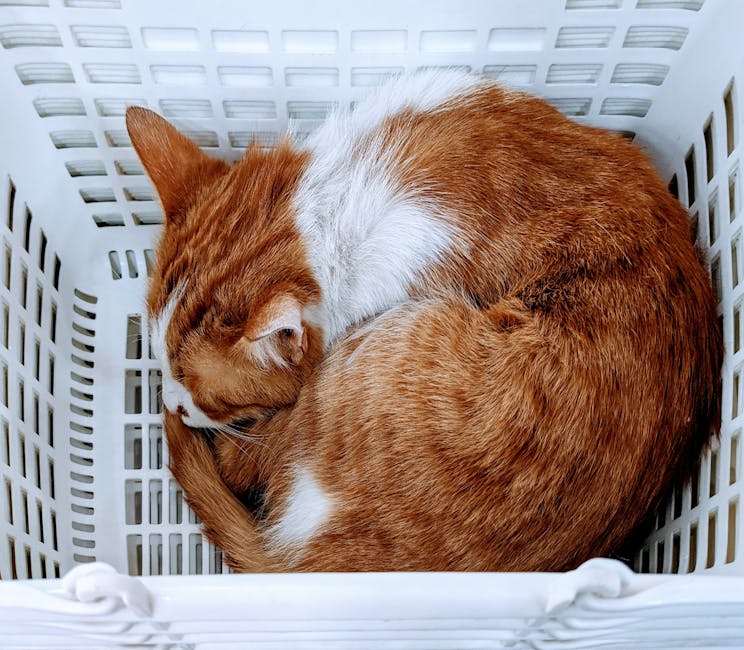
Curled Up
A cat curled up with its tail wrapped around its body is conserving warmth and protecting vital organs. This is a common position in colder environments and signifies a sense of security and comfort.
Sprawled Out
When a cat sleeps sprawled out on its back with its belly exposed, it signifies trust and comfort. Cats in this position feel safe in their environment and are in a state of deep relaxation.
The Side Sleeper
Sleeping on their side is another sign of a relaxed and comfortable cat. This position allows for easy breathing and is often seen in cats who feel secure in their surroundings.
Head Pressing
If you notice your cat pressing its head against a wall or furniture while sleeping, it could be a sign of a medical issue. Head pressing can indicate discomfort or neurological problems and warrants a visit to the vet.
Understanding Your Cat’s Sleep Patterns
Cats have unique sleep patterns that can vary based on their age, health, and environment. Understanding these patterns can help you ensure your cat gets the rest they need.
Cat Naps
Cats are crepuscular, meaning they are most active during dawn and dusk. During the day, they often take multiple short naps rather than one long sleep period. These naps are light, allowing them to wake up quickly if needed.
Deep Sleep
While cats take many short naps, they also have periods of deep sleep, known as REM sleep. During REM sleep, you might notice your cat twitching or moving its paws, indicating they are dreaming. This stage is crucial for their mental and physical health.
Age-Related Changes
As cats age, their sleep patterns may change. Older cats may sleep more due to decreased energy levels and potential health issues. It’s important to monitor these changes and consult a vet if you notice significant deviations from their usual sleep patterns.
How to Create a Comfortable Sleeping Environment for Your Cat
Providing a comfortable and safe sleeping environment for your cat is essential for their well-being. Here are some tips to ensure your cat has the best possible place to rest.
Choose the Right Bed
Select a bed that suits your cat’s preferences. Some cats prefer enclosed spaces, while others like open beds. Observe your cat’s habits and choose a bed that meets their needs.
Location Matters
Place the bed in a quiet, low-traffic area where your cat can sleep undisturbed. Cats often prefer elevated spots as they feel safer and can observe their surroundings.
Keep It Clean
Regularly clean your cat’s bed to ensure it is free of dirt, hair, and potential allergens. A clean bed contributes to better sleep quality and overall health.
Temperature Control
Ensure the sleeping area is at a comfortable temperature. Cats are sensitive to extreme temperatures, so providing a warm bed in winter and a cool spot in summer can help them sleep better.
When to Be Concerned About Your Cat’s Sleeping Habits
While cats sleep a lot, certain changes in their sleeping habits may indicate underlying health issues. Here are some signs to watch out for.
Excessive Sleep
If your cat suddenly starts sleeping more than usual, it could be a sign of illness, depression, or pain. It’s essential to monitor their behavior and consult a vet if you notice significant changes.
Restlessness
Restless sleep or difficulty settling down can indicate discomfort or anxiety. Ensure your cat’s sleeping environment is comfortable and free of stressors.
Changes in Sleep Patterns
Sudden changes in sleep patterns, such as staying awake during the night or sleeping less during the day, can signal health issues. Keep a close eye on these changes and seek veterinary advice if needed.
Conclusion
Interpreting your cat’s sleeping habits can provide valuable insights into their health and well-being. By understanding their sleep positions, patterns, and creating a comfortable environment, you can ensure your cat gets the rest they need. Remember to monitor any changes in their sleeping habits and consult a vet if you notice any concerning signs. A well-rested cat is a happy and healthy cat!